Swimming for dogs: the low-impact exercise owners overlook

For many dogs, yes. Water carries part of your dog's weight, so muscles work while joints take less load, and Cornell lists swimming among low-impact activities for dogs with osteoarthritis. Start with a life jacket, warm water and sessions of 10 minutes or less, and ask your vet first if your dog has a health condition.
| Why it helps | Buoyancy takes load off joints while muscles still work |
|---|---|
| Session length | 10 minutes maximum to start, per AKC |
| Rehab pool warmth | Around 85°F, per CARE |
| Who to look for | CCRP or CCRT certified practitioners, or a DACVSMR specialist |
Is swimming good for dogs with stiff joints?
You know the look. Your dog watches the ball sail across the park, thinks about it, and decides the couch was the better plan. Long walks leave them sore, but sitting still all day does not help either.
Water is one of the few places where a stiff dog can work hard without pounding their joints. Cornell's veterinarians list "low-impact activities, such as leash walks or swimming" among lifestyle changes for dogs with osteoarthritis (Cornell). The AKC puts it simply: "Buoyancy reduces stress on joints," while the water's resistance helps build muscle and endurance (AKC).
Muscle matters here. CARE notes that keeping weight down and muscle on are both important in managing arthritis, and muscle is exactly what a dog loses when walks get shorter (CARE).
Why is water exercise low impact?
Water holds your dog up. The deeper the water, the less weight their legs carry. Purdue's veterinary hospital, citing a 2010 study, reports how much of their own weight a standing dog carries at different water depths (Purdue):
Swimming goes further. Purdue describes it as a "complete lack of weight bearing and concussive forces," and notes that dogs bend their joints more when swimming than when walking (Purdue). Purdue also points out that peer-reviewed research on water therapy in dogs is still limited, so think of it as a useful tool, not a cure-all.
That is why rehab vets use water. VCA lists hydrotherapy among the physical therapies used to "improve a pet's mobility and reduce pain," for conditions including chronic arthritis and hip dysplasia (VCA). Canine Arthritis Resources and Education (CARE) adds that dogs in underwater treadmill programs showed better weight loss and kept more muscle (CARE).
How do I start swimming with an older or stiff dog?
Slowly, and with a plan. The AKC says never to toss a dog in. Start in shallow water, let them get used to wet feet, and go deeper only gradually (AKC).
Your first swim session
- Check the temperature. The AKC suggests water temperature plus air temperature should add up to at least 100°F. Older dogs chill fast, so warmer is kinder.
- Fit the life jacket on dry land. Let your dog sniff it, then wear it around the yard for a few minutes with treats. Look for a snug fit, a sturdy handle on top and a D-ring for a leash.
- Walk in together. Use a gentle slope, steps or a ramp. No jumping off docks or pool edges, which jars stiff joints.
- Swim for 2 to 5 minutes. Support your dog under the belly or hold the handle at first. Stop while they are still keen.
- Show them the way out. The AKC suggests pointing your dog to the shore or pool ramp while you swim together, so they learn the exit.
- Dry off and warm up. Towel them well, dry inside the ears, and give them a warm, soft spot to rest.
The temperature rule, the handle and D-ring, and the exit practice all come from the AKC's swimming guide (AKC).
Build up by a minute or two per session over several weeks. The AKC suggests keeping sessions to "10 minutes maximum" to help prevent water toxicity, which happens when a dog swallows too much water (AKC). Vomiting after swimming is a common sign. Bring fresh drinking water so they are less tempted to gulp the pool or lake.
Afterwards, watch how your dog moves that evening and the next morning. A little tired is fine. Stiffer than usual means the session was too long, the water too cold, or the entry too hard.
Which dogs should not swim?
Not every dog is a good candidate. The AKC notes that "not all dogs are good candidates for hydrotherapy," and that home hydrotherapy is not advised for dogs with medical conditions (AKC). Short-legged or long-bodied breeds can also struggle in the water (AKC).
And never force a dog who hates water. A short, happy paddle beats a long, stressful one, and there are plenty of gentle games for older dogs on dry land.
Pool or lake: which is better?
Each has trade-offs. Here is how they compare for a stiff dog.
| Home or public pool | Lake or pond | Rehab pool or underwater treadmill | |
|---|---|---|---|
| Water warmth | Varies, often cool | Cold early and late in the season | Heated, around 85°F (CARE) |
| Getting in and out | Hard without steps or a ramp | Gentle shore slope, but can be muddy or rocky | Ramps and staff help |
| Hazards | Chlorine, slippery edges | Algae, currents, drop-offs, fish hooks, wildlife | Few; supervised |
| Control | Moderate | Low | High: depth and speed adjustable (AKC) |
| Typical cost | Free to low | Free | Swim session about $30 to $80; treadmill $35 to $95 (AKC) |
For a pool, a floating ramp gives your dog an easy way out. The same idea, a gentle slope instead of a jump, helps at home too: see dog ramp or dog stairs.
When choosing a life jacket, the AKC suggests one that is durable, waterproof and adjustable, with a sturdy handle and a D-ring (AKC). Measure your dog's chest and neck and check the size chart rather than going by weight alone.
How do I find a canine rehab pool near me?
Start with your vet. VCA notes that a veterinary referral is often required for rehab, and outside rehab providers usually report back to your regular vet (VCA).
Look for these letters after a name:
- CCRP (Certified Canine Rehabilitation Practitioner) or CCRT (Certified Canine Rehabilitation Therapist): credentials that show advanced training in canine rehabilitation (VCA; CARE).
- DACVSMR: a board-certified specialist in sports medicine and rehabilitation. The American College of Veterinary Sports Medicine and Rehabilitation has a find-a-diplomate search on its site (ACVSMR).
CARE also points owners to the rehabvets.org directory (CARE). The AKC suggests visiting a facility before booking, to meet the team and see the equipment (AKC).
What to do next
- Ask your vet whether swimming suits your dog, especially if they have any health condition.
- Buy a fitted life jacket and practice wearing it on dry land this week.
- Plan one short swim of 2 to 5 minutes in warm, calm water with an easy way out.
- Pair it with land exercise: our guide on how far to walk an older dog helps you balance the week, and how to set up a dog-friendly home for stiff joints covers the rest of the day.
- Not sure what you are seeing? Read 8 everyday signs your dog's mobility is changing.
Questions owners ask
Is swimming good for senior dogs?
It can be, as long as your vet agrees. Cornell lists swimming among low-impact activities for dogs with osteoarthritis, and the AKC notes that buoyancy reduces stress on joints. Older dogs tire faster and chill more easily, so keep sessions short, use warm water, fit a life jacket and help your dog in and out rather than letting them jump.
What is hydrotherapy for dogs?
Hydrotherapy is exercise in water, guided by a trained rehab professional. It usually means swimming in a heated pool or walking on an underwater treadmill, where the water depth and speed can be adjusted. VCA lists hydrotherapy among the physical therapies used in veterinary rehabilitation, and CARE says rehab pools are typically kept around 85°F.
Does my dog need a life jacket if they can already swim?
It is a good idea. The AKC says a dog life jacket is always a good idea, and notes that a vest helps keep a dog's back level in the water. For an older or stiff dog, the handle on top also lets you steady them or lift them out without pulling on legs or collar. Choose one that fits snugly and is adjustable.
How often should my dog swim?
There is no single number from vet sources for home swimming. Start with one short session of 2 to 5 minutes, building toward the AKC's 10-minute maximum, and watch how your dog moves that evening and the next morning. If they seem stiffer, shorten the next session or add more rest days. A rehab practitioner can set a schedule that fits your dog.
Sources
- Osteoarthritis. Cornell University College of Veterinary Medicine, 2025
- Hydrotherapy for Dogs: Benefits, Uses, and What to Expect. American Kennel Club, 2026
- The Importance of Water Therapy in a Physical Rehabilitation Program. Purdue University Veterinary Hospital, 2026
- Overview of the role of rehabilitation for arthritis. Canine Arthritis Resources and Education, 2019
- Veterinary Rehabilitation. VCA Animal Hospitals, 2023
- Can All Dogs Swim? How to Teach a Dog to Swim. American Kennel Club, 2026
- Prevent swimmer's ear. VCA Animal Hospitals, 2026
- Blue-Green Algae: Symptoms and Tips. American Kennel Club, 2022
- How to Find the Right Veterinary Team for Your Dog's Arthritis. Canine Arthritis Resources and Education, 2025
- About Us. American College of Veterinary Sports Medicine and Rehabilitation, 2026
Keep reading
 Everyday life with an older dogHow far should you walk an older dog?How far to walk a senior dog: let your dog set the pace, try shorter, more frequent walks on soft ground, warm up, and use the next-morning stiffness check.
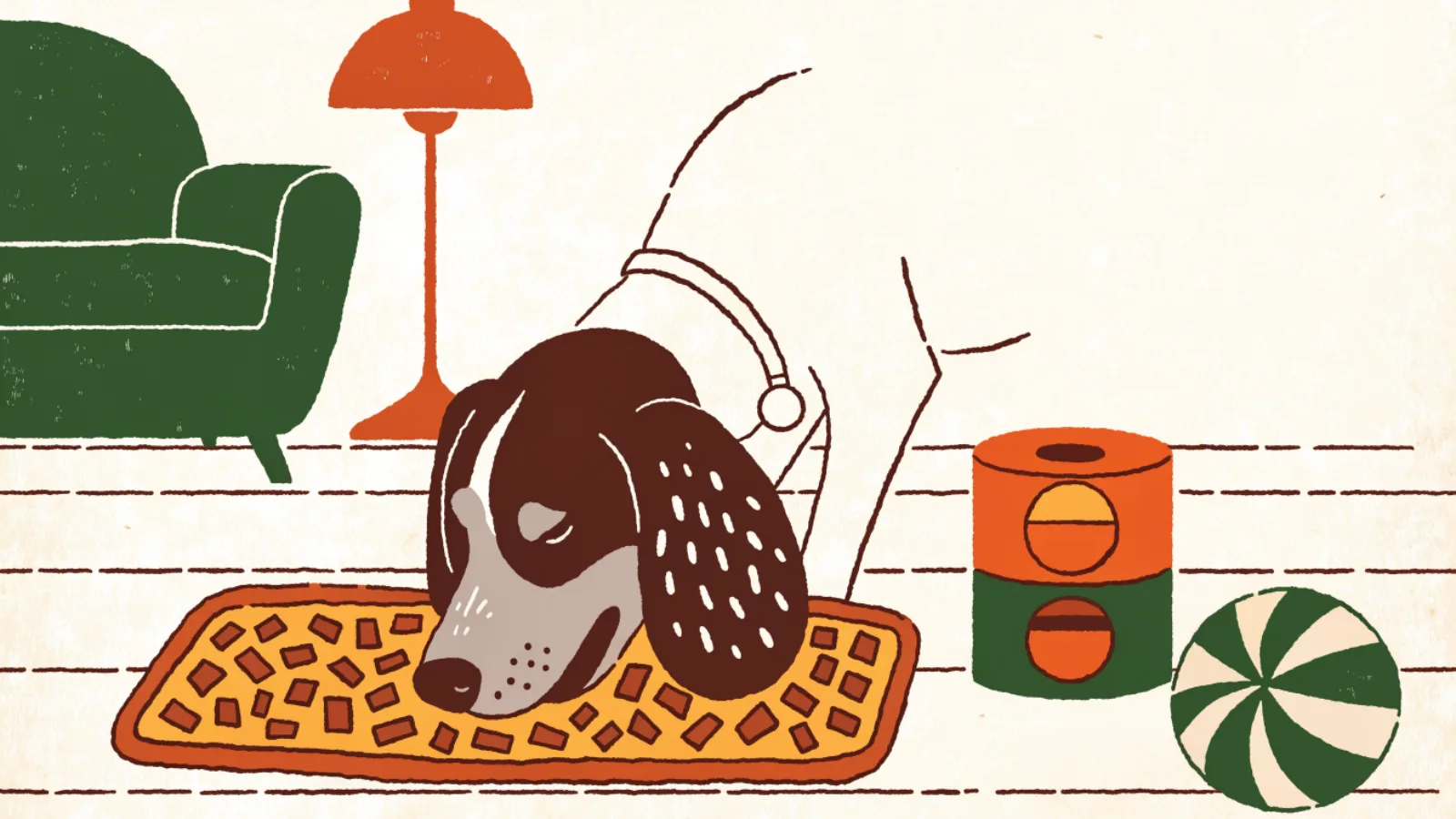 Everyday life with an older dog10 gentle games for older dogs (that still feel like play)Gentle games for senior dogs: 10 low-impact ideas, from snuffle mats to sniff walks, with how to play, why they suit stiff joints and how to keep them safe.
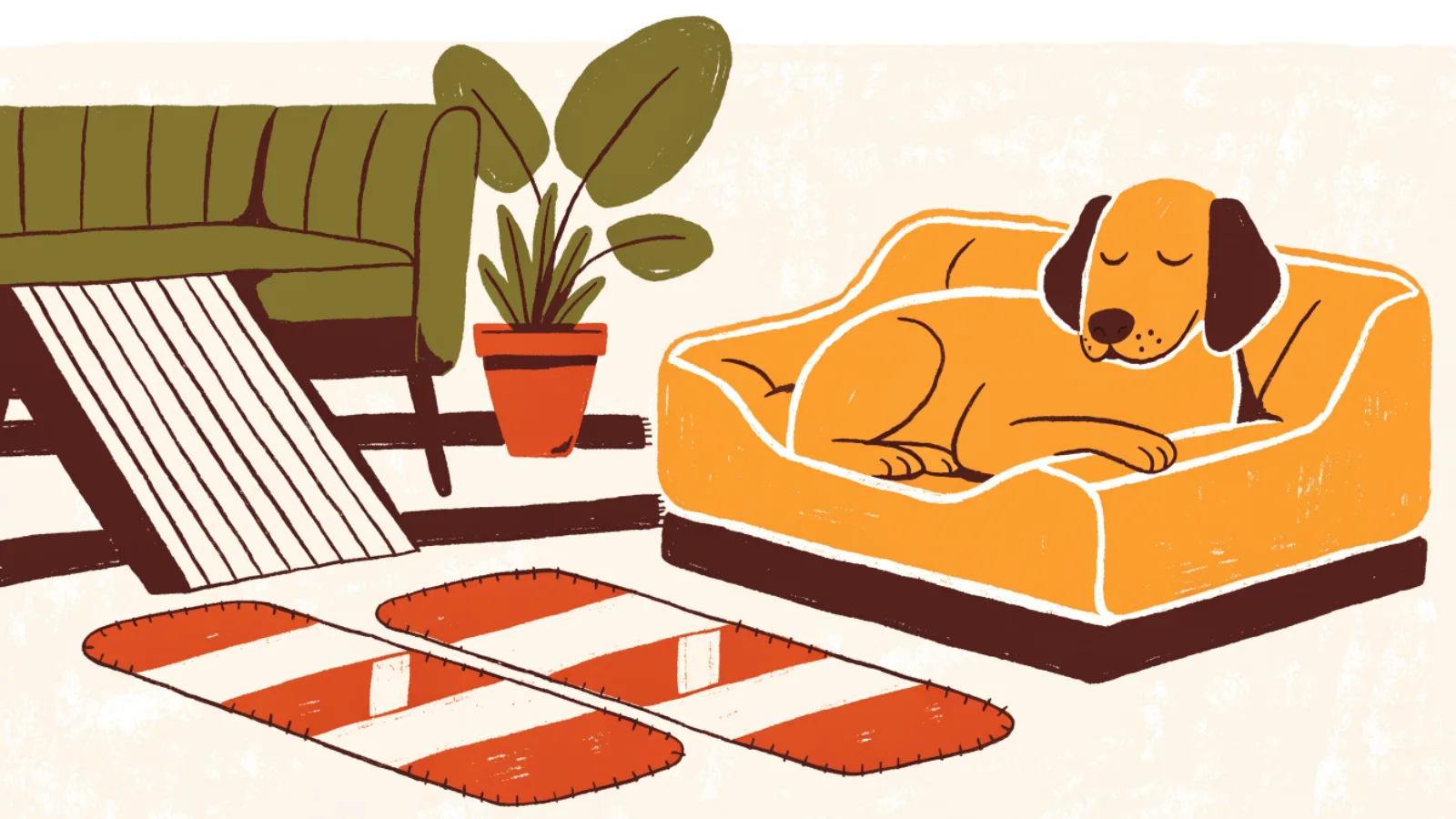 Everyday life with an older dogA dog-friendly home for stiff joints: 12 small changesHow to help a senior dog with mobility at home: 12 small changes, from non-slip rugs and couch ramps to orthopedic bed placement, plus a 15-minute home audit.
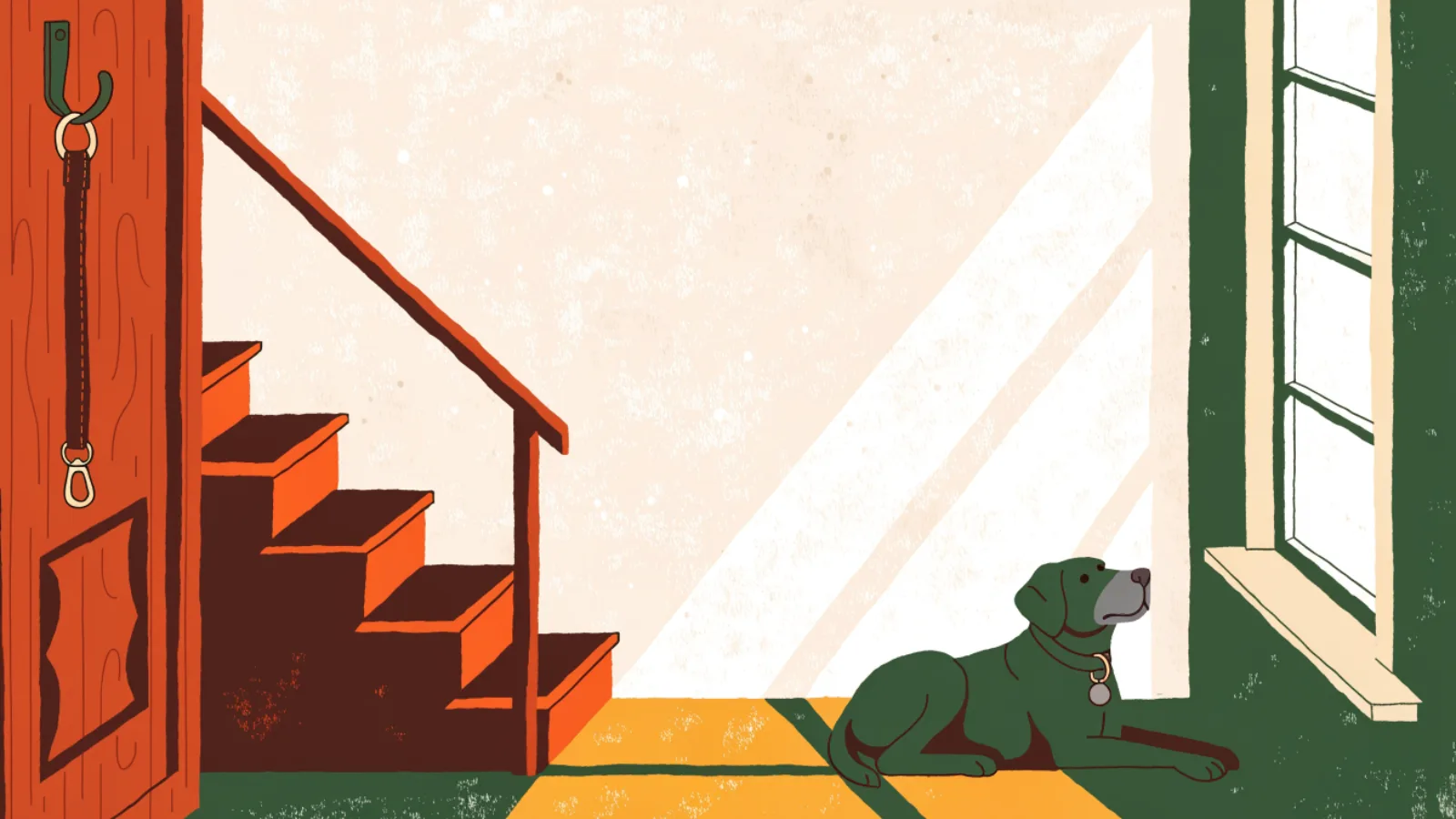 Everyday signs and senior mobilityIs it just age? 8 everyday signs your dog's mobility is changingSigns your dog is slowing down: slower to get up, lagging on walks, pausing at stairs. What 8 everyday changes can mean, when to see a vet, and a monthly check.
This guide is general information for dog owners, not veterinary advice. If your dog is limping, in pain, or changes suddenly, see your vet. GoodYears Mobility is a supplement: these statements have not been evaluated by the FDA, and it is not intended to diagnose, treat, cure, or prevent any disease.