My dog stopped jumping on the couch: what it can mean and what to do
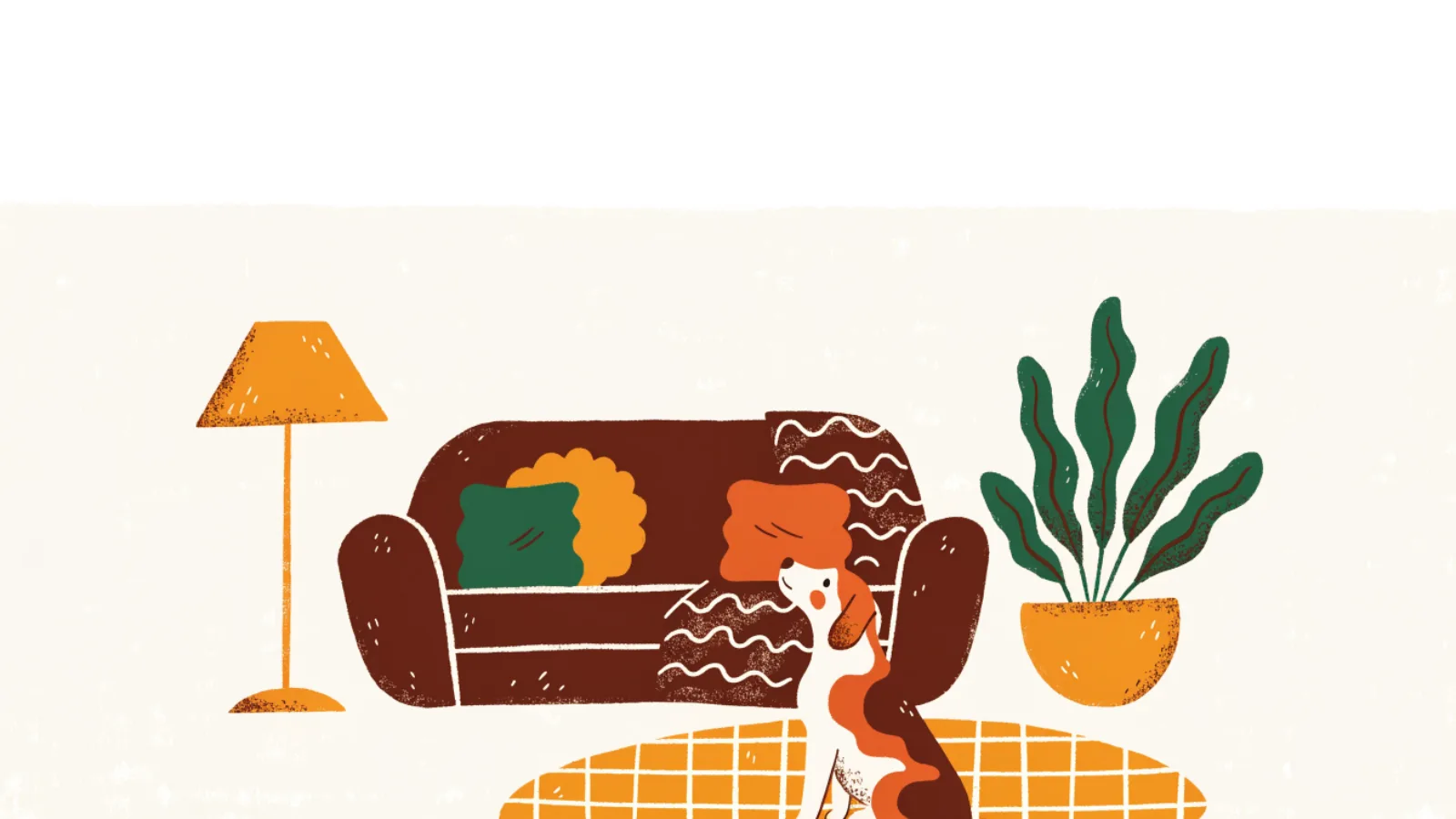
A dog that stops jumping on the couch is often telling you that jumping hurts or feels unsafe. Common reasons include sore joints or muscles, an injury, back pain, long nails, extra weight, vision changes and slippery floors. A sudden change, yelping, or limping on one leg means calling your vet promptly.
| Listed by VCA as a sign of osteoarthritis | Reluctance to jump on or off furniture |
|---|---|
| Share of dogs affected by arthritis | At least 25% (Cornell) |
| Share of US dogs overweight or obese | About 56% (Cornell) |
| Call the vet promptly if | Sudden, yelping, one leg, young dog, back pain, not eating |
Why has my dog stopped jumping on the couch?
Your dog used to fly onto the couch, and now they stand at the edge, look at you, and wait. Or they try, miss, and give up. It is easy to put this down to a bad day. But dogs rarely stop doing something they love without a reason.
Jumping up takes a strong push from the back legs, hips and spine. Jumping down puts the landing force through the front legs, shoulders and neck. If any part of that hurts, feels weak or feels risky, your dog may simply stop.
VCA lists "reluctance to go up or down steps or to jump up or down from furniture" as one of five common signs of osteoarthritis (VCA). Another VCA list includes "hesitating to jump up on furniture or into the car" (VCA).
Arthritis is only one possibility, though. Only your vet can tell you which reason fits your dog.
What are the possible reasons a dog won't jump anymore?
These are the main groups vets consider. Several can overlap.
| Possible reason | What owners often notice | How urgent |
|---|---|---|
| Sore joints, such as arthritis | Slow to get up after rest, slower on walks, avoids stairs | Book a vet visit |
| Muscle strain or injury | Started after play or a fall, may limp | Call your vet; urgent if severe |
| Knee problem, such as a cruciate ligament injury | Limp on a back leg, sits with one leg out, trouble jumping into the car | Call your vet soon |
| Back or neck pain | Hunched back, trembling, yelps when touched or lifted | Call your vet the same day |
| Paws and nails | Licks a paw, long nails clicking, slips on floors | Check at home, then the vet if it continues |
| Extra weight | Puffs on walks, waist hard to see | Discuss at your next visit |
| Vision changes | Bumps into furniture, unsure in dim light | Book a vet visit |
| Fear or a bad experience | Stopped after a fall or a scare, fine everywhere else | Rule out pain first |
| Slippery floors | Hesitates on wood or tile, fine on carpet or grass | Fix at home |
Sore joints. The Merck Veterinary Manual lists "limited jumping or playing" with "slowness to rise, especially after extended rest" and difficulty on stairs among the signs of osteoarthritis in dogs (Merck). It is common: Cornell says arthritis affects at least 25% of dogs (Cornell).
Merck also notes that lameness can be subtle even when the disease is advanced, which is why a dog can stop jumping before you ever see a limp. If your dog is also stiff after naps, note it in the log below and tell your vet.
Injury, including the knee. The American College of Veterinary Surgeons lists "trouble jumping into the car," difficulty sitting or rising from a sit, and lameness that may show only after rest among the signs of cruciate ligament disease (ACVS). Sprains, fractures and dislocations can also be behind a sudden change (AKC).
Back problems. Intervertebral disc disease is a spinal problem. PetMD lists "unwillingness to jump" and a hunched back with tense muscles among its signs. It is more common in long-backed, short-legged breeds such as Dachshunds, Basset Hounds, French Bulldogs and Beagles, but larger breeds get it too (PetMD).
Paws and nails. A thorn, cut or sore pad can make a dog cautious (AKC). Overgrown nails "can interfere with your dog's ability to properly place his feet," according to VCA (VCA).
Weight. About 56% of US dogs are overweight or obese, and extra weight "increases the stress on the dogs' bones, joints and muscles" (Cornell).
Vision. The AKC lists bumping into furniture and "being reluctant to jump on or off the couch" as signs of vision loss (AKC).
Other illness, fear and learned behavior. A dog who feels unwell overall may stop jumping. A vet-reviewed Dogster article also lists tick-borne diseases and some nerve and muscle conditions (Dogster).
One bad fall or a scare can make a dog wary of one spot. But fear and pain can look the same, so rule out pain first.
When should I take my dog to the vet?
Call your vet promptly, the same day if you can, if any of these apply:
- The change was sudden, from jumping fine to not at all.
- Your dog yelped when jumping, landing, being touched or being picked up.
- Limping on one leg, or not putting weight on a leg. The AKC advises a vet visit if a dog is still lame or can't bear weight after about 15 minutes of rest, and immediate care for a dangling, swollen or hot limb (AKC).
- Your dog is young. In a young dog, a change in jumping is less likely to be age and more likely to be an injury or a joint problem that is still developing.
- Signs of back pain: a hunched back, trembling or panting, unsteady back legs, or trouble peeing or pooping. PetMD advises an exam as soon as possible for suspected back pain (PetMD).
- Not eating, unusually quiet, or seems unwell in other ways.
If none of these apply and the change has been gradual, book a regular appointment rather than waiting to see if it passes.
What will the vet check?
Knowing what to expect makes the visit more useful. Your vet will usually:
- Ask about the history. When it started, whether it is getting worse, what else has changed. Your observation log (below) helps here.
- Watch your dog move. Walking, turning, sitting and standing up.
- Do a hands-on exam. Feeling each joint, the spine and the paws for swelling, muscle loss, grinding or reduced movement (Merck). Some knee injuries can be diagnosed by hands-on exam alone (ACVS).
- Suggest X-rays or tests if needed. X-rays help identify fractures and joint disease. Blood tests may follow (AKC).
How can I help my dog at home?
These steps make life easier while you find out what is going on. None of them replace a vet visit.
- Add a ramp or pet steps to the couch, the bed and the car. VCA notes that a ramp for getting in and out of vehicles "can help reduce stress on the back and leg joints," and most dogs learn to use one quickly (VCA).
- Cover slippery floors. VCA suggests yoga mats or rugs with non-skid backing, and baby gates to block slick rooms or unsupervised stairs (VCA).
- Keep your dog lean. VCA calls a lean body condition "one of the best ways to reduce stress on arthritic joints" (VCA). Ask your vet for a target weight.
- Choose low-impact exercise. The Merck Veterinary Manual recommends regular, controlled exercise for dogs with osteoarthritis (Merck). Think steady walks on soft ground instead of ball sprints and leaping. Ask your vet how far and how long.
- Keep nails short and check paws after walks.
- Put a comfy bed on the floor by the couch so your dog can stay close without jumping.
A 2-week observation log
Jot down one line a day for two weeks. It turns "I think he's slower" into something your vet can work with.
| Day | Jumped on couch or bed? | Car? | Stairs | Slow to get up after rest? | Limp, yelp or hesitation | Notes (floors, weather, activity) |
|---|---|---|---|---|---|---|
| 1 | ||||||
| 2 | ||||||
| ... | ||||||
| 14 |
Do joint supplements help a dog that won't jump?
Some owners ask their vet about a joint supplement as one part of a wider plan, after the cause is known. The research on these ingredients is mixed, and they are not a substitute for diagnosis or prescribed pain care. If you want to look into it, our guide to what the research shows covers each ingredient, and how long joint supplements take to work explains what timeline to expect.
What to do next
- Check the red flags above. If any apply, call your vet today.
- If not, book a check-up and start the 2-week log tonight. Add a short video of your dog trying to jump.
- Make the house easier now: rugs on slippery floors, a ramp or steps, short nails.
- Learn the other early signs. Not jumping often shows up with other small changes. See 8 everyday signs your dog's mobility is changing.
Questions owners ask
Why won't my dog jump on the bed anymore but walks fine?
Jumping loads the back legs, hips and spine far more than walking does, so a dog can walk normally and still find a jump uncomfortable. Vets list reluctance to jump onto furniture or into the car as an early sign of joint pain, and it can also come with back problems, a knee injury or poorer eyesight. A normal walk does not rule these out, so mention it to your vet.
My dog suddenly stopped jumping. Is it an emergency?
A sudden change deserves a call to your vet the same day, especially if your dog yelped, is limping, has a hunched back, trembles, or is off their food. Back problems such as disc disease can start this way, and PetMD advises an exam as soon as possible because early treatment gives the best chance of recovery. Keep your dog quiet and off furniture until you have spoken to the vet.
Is it just old age?
Age makes some changes more likely, but it is not a diagnosis. Many things vets treat or manage, such as arthritis, can look like slowing down with age. Cornell's Riney Canine Health Center says arthritis affects at least 25% of dogs. If your older dog has stopped jumping, a check-up can tell you what is going on and what will help them stay comfortable.
My young dog won't jump in the car. Should I worry?
Yes, have it checked. In a young dog, a change in jumping is less likely to be age-related and more likely to be an injury, a knee or hip problem, or a scary experience. The American College of Veterinary Surgeons lists trouble jumping into the car among the signs of cruciate ligament disease. Note when it started and whether it happens every time, then book a vet visit.
Should I lift my dog onto the couch for now?
If your dog is comfortable being lifted, support the chest and the back end together so the spine stays level. If they yelp or tense when picked up, stop and tell your vet, since that can be a sign of pain. Until you know the cause, a ramp, a set of pet steps, or a comfy bed on the floor beside the couch is often the kinder option.
Sources
- Five signs your pet has osteoarthritis. VCA Animal Hospitals, 2026
- 13 signs your dog's arthritis is acting up. VCA Animal Hospitals, 2026
- Osteoarthritis in dogs and cats (Epstein). Merck Veterinary Manual, 2025
- Obesity and our dog's health (Cohen). Cornell Riney Canine Health Center, 2023
- Cranial cruciate ligament disease. American College of Veterinary Surgeons, 2026
- Why is my dog limping?. American Kennel Club, 2026
- Intervertebral disc disease (IVDD) in dogs (Morrison, reviewed by Koehler). PetMD, 2025
- Successful nail trims: training for happy handling. VCA Animal Hospitals, 2023
- Vision loss in dogs (Gibeault). American Kennel Club, 2026
- Dog suddenly won't jump up? (reviewed by Dr. Ashley Darby, BVSc). Dogster, 2026
- Helping your dog with osteoarthritis (Weir, Williams, Downing). VCA Animal Hospitals, 2026
Keep reading
 Everyday signs and senior mobilityIs it just age? 8 everyday signs your dog's mobility is changingSigns your dog is slowing down: slower to get up, lagging on walks, pausing at stairs. What 8 everyday changes can mean, when to see a vet, and a monthly check.
 Choosing and using a joint chewHow long do joint supplements take to work in dogs?Sources say 4 weeks to 2+ months, and canine trials ran 6 to 13 weeks. See timelines by ingredient, a 30/60/90-day tracking checklist and when to see your vet.
 Ingredients and evidenceDo joint supplements work for dogs? What the research actually showsDo dog joint supplements work? Omega-3 has the strongest research, green-lipped mussel is mixed, glucosamine and chondroitin lean negative. See the evidence.
 Everyday signs and senior mobilityWhy is my dog stiff after sleeping? What owners notice, what vets check, and a simple daily routineStiff after naps but fine once moving? Common reasons dogs get stiff after rest, the red flags that mean a vet visit, and a simple daily routine that helps.
This guide is general information for dog owners, not veterinary advice. If your dog is limping, in pain, or changes suddenly, see your vet. GoodYears Mobility is a supplement: these statements have not been evaluated by the FDA, and it is not intended to diagnose, treat, cure, or prevent any disease.